A glowing check engine light with a catalytic converter code can make you worry about a big repair bill. Sometimes the car still drives fairly well, other times it feels sluggish or the exhaust smells different. The hard part is knowing whether the converter itself is worn out or if something else caused the problem and can still be fixed. Understanding how the converter fails, and when it is really the culprit, helps you make a smarter decision instead of replacing parts blindly.
What the Catalytic Converter Actually Does
The catalytic converter sits in the exhaust and cleans up gases after the engine burns fuel. Inside the housing is a honeycomb coated with precious metals that help convert harmful pollutants into less harmful gases as exhaust flows through. It does not move or have electronics, but it needs the right exhaust temperature and a clean mixture from the engine to work properly.
When everything is in balance, you never notice it doing its job. When the converter becomes clogged, cracked, or coated with contaminants, exhaust flow is restricted, and the engine has to work much harder to breathe. That is when performance drops and trouble codes start showing up.
Common Symptoms That Point to Converter Trouble
A failing catalytic converter usually does not fail silently. Some signs that it might be involved include:
- Loss of power, especially on hills or at highway speeds, while the engine revs higher than normal
- A rotten egg or sulfur smell from the exhaust when the engine is hot
- Rattling from under the car if the internal brick has broken apart
- Poor fuel economy that is worse than normal for your driving
- A check engine light with efficiency codes after other issues have been repaired
These symptoms do not prove the converter is the only problem, but they are strong hints that the exhaust side needs to be checked carefully.
When the Converter Is the Victim, Not the Root Problem
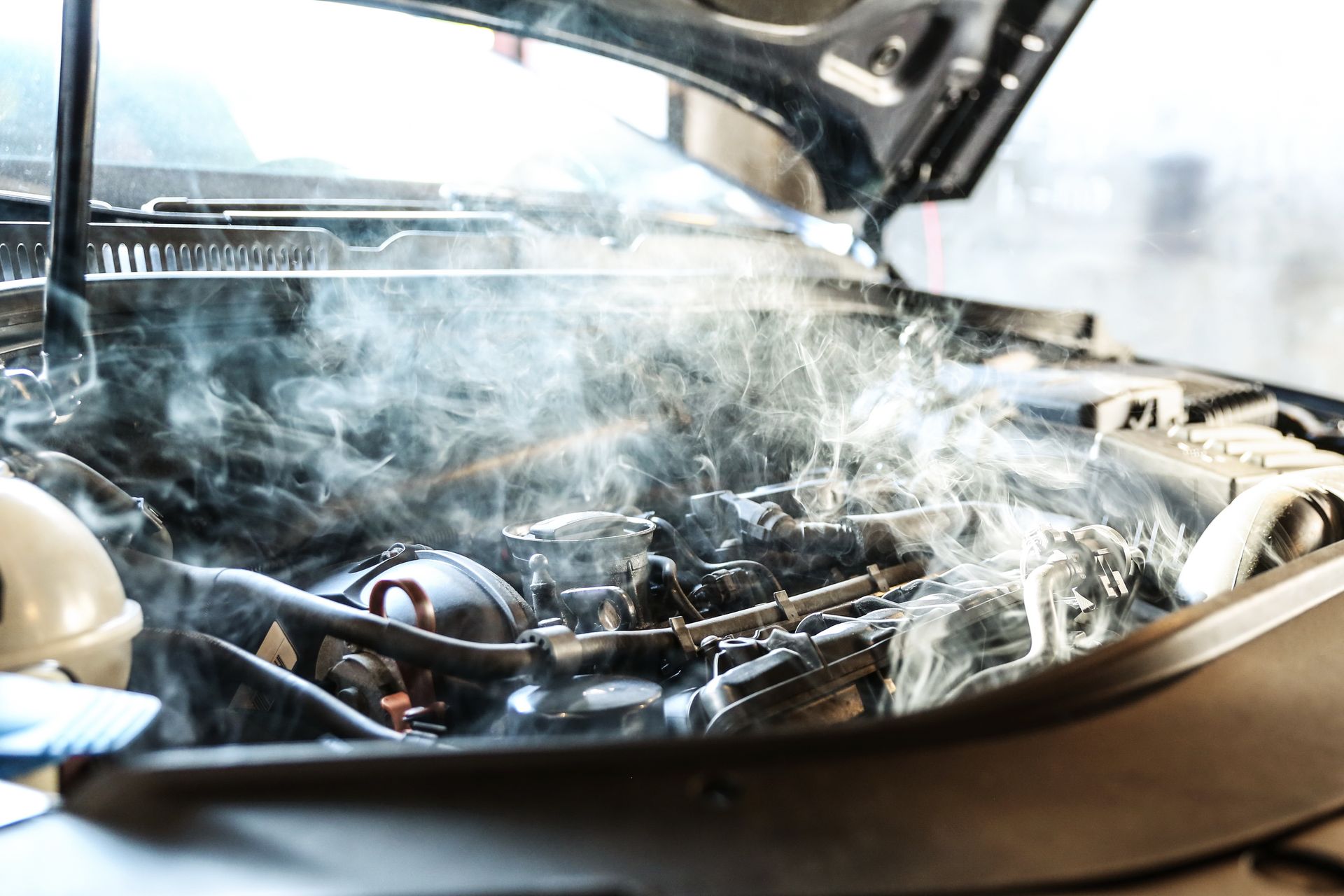
Many catalytic converters are ruined by something that started upstream. Long-term misfires, rich running, coolant leaks into the exhaust, or heavy oil burning can all overheat or contaminate the converter. The converter struggles to handle that extra load until the coating is damaged or the brick begins to melt and plug up.
From our side, we often see a pattern where a vehicle has driven for months with a flashing check engine light or obvious misfires, then develops converter codes. In those cases, simply hanging a new converter without fixing the original cause will usually shorten the life of the new one. That is why a good technician focuses on the whole system, not just the part that sets the code.
Can a Catalytic Converter Be Repaired or Cleaned?
Most of the time, a modern catalytic converter cannot be “repaired” in the traditional sense. If the internal honeycomb is melted, broken, or heavily coated in oil or coolant residue, no cleaner will restore the original surface. Online claims about miracle additives rarely match what we see in real vehicles.
There are a few situations where addressing engine problems and clearing stored fuel trims can help a marginal converter work better for a while. Light deposits from short trip driving sometimes respond to fixing mixture issues and giving the car a proper highway run. However, once the converter is physically damaged or efficiency has dropped far below spec, replacement is usually the only reliable fix.
Simple Decision Guide: Replace Now or Keep Driving?
A few questions can help you decide how urgent the situation is and what to do next:
- Is the car severely down on power, especially at higher speeds? That often points to a clogged converter that should not be ignored.
- Are there other unresolved engine or ignition codes, like misfires or rich mixture? Those need to be repaired first before judging the converter.
- Has the converter rattle started suddenly, or has performance changed over time? Sudden changes lean toward internal breakage.
- Does the check engine light return quickly after being cleared, even after other repairs? That makes a true converter failure more likely.
How to Prevent Future Catalytic Converter Problems
The best way to protect a new or still healthy converter is to keep the engine running clean. Fixing misfires promptly, handling oil consumption issues, and addressing coolant leaks quickly all reduce stress on the exhaust. Regular maintenance of spark plugs, air filters, and fuel system components also helps the mixture stay where the converter can handle it.
It is just as important not to ignore a flashing check engine light or strong raw fuel smells from the exhaust. Those are signs that unburned fuel is reaching the converter and heating it far beyond normal. When we catch those situations early, we can often save the converter instead of replacing it.
Get Catalytic Converter Service in Omaha, NE with Ally Auto Service
We can test your exhaust system, check live data, and inspect for misfires or mixture problems so you know whether the catalytic converter truly needs to be replaced. We focus on fixing the root cause, not just turning off the light, so you are not buying the same repair twice.
Call
Ally Auto Service in Omaha, NE, to schedule a catalytic converter inspection and keep your engine and exhaust working together the way they should.