If you’ve ever heard a squeal at startup or noticed a belt-area noise that changes with engine speed, the belt tensioner is one of the first parts we think of. Most drivers know the serpentine belt is important, but the tensioner is the part that keeps it doing its job.
When it wears out, the belt can slip, squeal, or wear unevenly, and the symptoms can look like a bad belt even when the belt itself is still decent.
Knowing what the tensioner does helps you avoid replacing the belt twice and still hearing the same noise.
What The Belt Tensioner Actually Does
Your serpentine belt runs multiple accessories, like the alternator, power steering pump on some vehicles, and the AC compressor. For that belt to grip properly, it needs steady tension. The tensioner provides that pressure, usually with a spring-loaded arm that keeps the belt tight as it stretches slightly with age and as loads change.
Most tensioners also include a pulley. That pulley spins constantly with the belt. So you’re dealing with two wear items in one: the spring mechanism that maintains tension, and the pulley bearing that has to spin quietly for thousands of miles.
How Wear Shows Up Inside The Tensioner
Over time, the tensioner spring can weaken. When that happens, it can’t keep the belt tight during startup or when accessory load increases. The pulley bearing can also wear out and start making noise. Some tensioners develop play in the pivot, which can let the arm move in ways it shouldn’t.
Heat and contamination speed this up. Oil leaks and coolant leaks can degrade belts, but they can also work their way into pulleys and bearings. And if a vehicle is driven through a lot of water or road grime, bearings can wear sooner.
Signs The Tensioner Is Starting To Fail
A squeal during startup is a common first sign, especially if it happens more often over time. You might also hear a chirp when you turn the steering wheel at low speed or when the AC cycles on, because the belt sees a sudden change in load.
Another sign is belt flutter. With the engine running, you might see the belt vibrating or the tensioner arm bouncing instead of holding steady. A little movement is normal, but excessive bouncing can indicate a tensioner that’s not controlling belt tension properly.
If you hear a rough growl, a whine, or a rumbling sound from the belt area, the pulley bearing may be wearing out. That kind of noise usually changes with engine speed and can get louder as the bearing deteriorates.
Why A Bad Tensioner Can Cause Other Problems
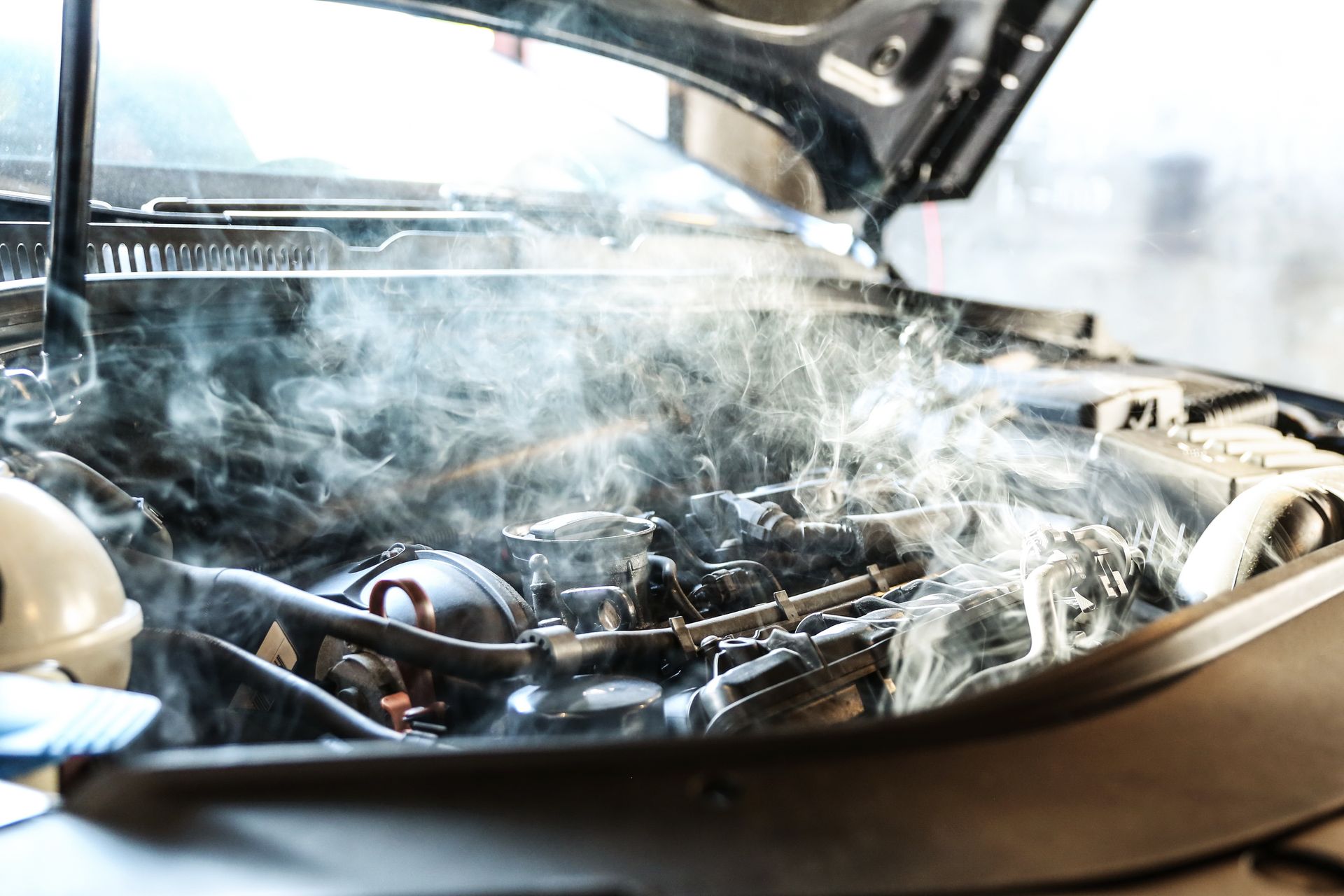
A slipping belt can reduce alternator output, leading to low-voltage symptoms and warning lights. It can also reduce AC compressor speed, so the air conditioning may not perform the way it should. On engines where the belt drives a water pump, belt slip can contribute to overheating, especially at idle when airflow is low.
A failing tensioner can also shorten belt life. If the tensioner is not holding steady pressure, the belt can wear unevenly, glaze over, or develop cracks sooner. That’s why we often recommend inspecting the tensioner and idler pulleys whenever a belt is being replaced, especially if the belt failed early or looks abnormally worn.
Owner Mistakes That Lead To Repeat Repairs
One mistake is replacing the belt alone when the real issue is a weak tensioner or rough pulley. The new belt may be quieter for a short time, but the squeal will return because the tensioner is still not doing its job.
Another mistake is spraying belt dressing to quiet a noise. That can mask the symptom and make the belt attract grime. It also doesn’t fix a weak spring or a failing bearing.
We also see people ignore a pulley bearing noise because the car is still driving fine. Bearings can get louder for weeks before they fail, but once they fail, the belt can come off or shred quickly.
A Practical Mini-Guide For When To Replace It
If the belt is squealing regularly, the tensioner arm is bouncing, or the pulley bearing sounds rough, replacement is usually the smart move. If the vehicle is due for a belt and the tensioner is original with higher mileage, it’s often cost-effective to replace them together, because labor overlaps and you reduce the chance of needing the job done twice.
If you’re unsure, an inspection can usually tell the story. We check belt condition, pulley alignment, tensioner movement, and bearing noise. It’s a straightforward way to confirm whether the belt, the tensioner, or another pulley is the real issue.
After The Repair Habits That Help Belts Last
After a belt and tensioner service, keep an eye out for leaks. Oil or coolant contamination can shorten the life of the new parts. Also, pay attention to any new noises early. If something sounds off, mentioning it quickly can keep it simple.
And if you drive in conditions that kick up a lot of dust or road grime, routine inspections help. Belts and pulleys take a beating in those environments, and catching wear early usually keeps the fix smaller.
Get Belt Tensioner Service in Omaha, NE, with Ally Auto Service
If you’re hearing belt noise, noticing vibration at the belt, or are due for a belt replacement and want it handled correctly the first time, we can inspect the belt drive system and confirm whether the tensioner or pulleys need attention. We’ll explain what we see and recommend a repair plan that fits your vehicle and mileage.
Visit one of our convenient locations in Omaha, NE, with
Ally Auto Service, and we’ll help you keep the belt system working the way it should.