Your cooling system does important work every time the engine runs. It keeps heat under control, protects internal engine parts, and helps the vehicle handle traffic, highway driving, hot weather, and long trips without overheating. When something in that system starts to fail, the symptoms can be small at first.
That is what makes cooling system problems easy to put off. A slight coolant smell, a small drip, or a temperature gauge that rises once and then settles back down can seem harmless. Those clues deserve attention because cooling system repairs are usually easier to handle before the engine gets too hot.
The Temperature Gauge Starts Moving Higher
The temperature gauge should stay in a normal range once the engine warms up. If it starts climbing higher than usual, moves up in traffic, or changes more than it used to, the cooling system needs attention. A gauge that rises and then drops again can still point toward a problem.
Low coolant, a weak radiator fan, a sticking thermostat, a failing water pump, restricted radiator flow, or trapped air in the system can all affect temperature. Do not wait until the gauge reaches the red zone. Overheating can damage gaskets, seals, hoses, and internal engine parts quickly.
You Notice Coolant Smells Or Puddles
Coolant has a sweet smell that is different from oil, fuel, or washer fluid. If you smell it after parking, near the front of the vehicle, or through the vents, there may be a leak. Coolant can leak from hoses, the radiator, water pump, thermostat housing, heater core, reservoir, or small fittings.
A puddle under the vehicle is another warning sign, but not every leak reaches the ground right away. Some coolant leaks burn off on hot parts or leave dried, crusty residue near the source. A cooling system inspection can help identify a leak before the level drops enough to cause overheating.
The Coolant Level Keeps Dropping
Coolant should not disappear. If you keep topping off the reservoir, the system is losing coolant somewhere. It might be an external leak, or in more serious cases, coolant may be entering the engine through a gasket problem.
Low coolant can create air pockets inside the system. Those air pockets can interrupt circulation and cause uneven engine temperatures. Topping off the fluid may help temporarily, but it does not address the underlying cause. If the level keeps dropping, the vehicle needs to be tested before the problem spreads.
The Heater Stops Working as It Should
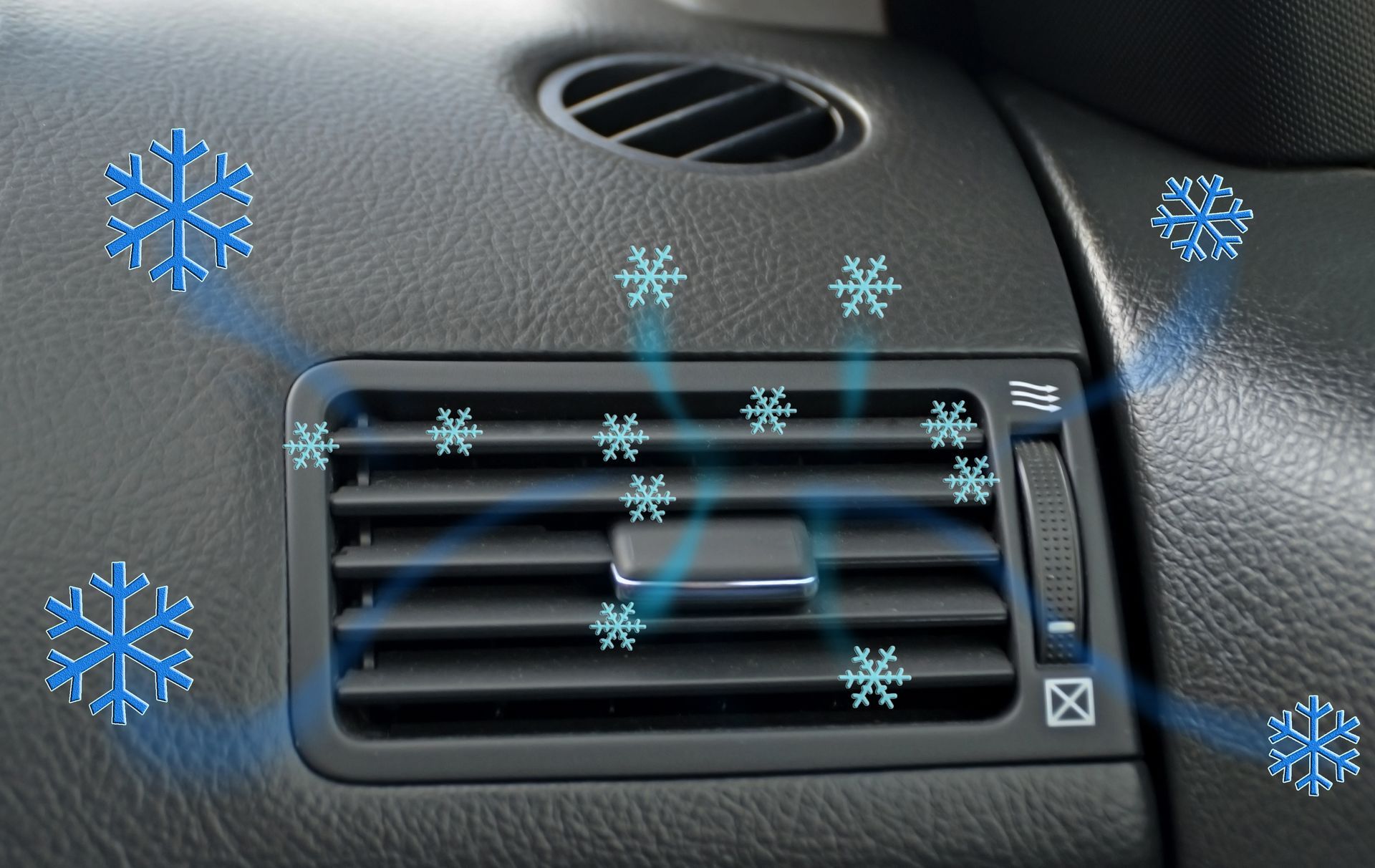
The heater can provide clues about the cooling system's health. Since the heater uses hot coolant to warm the cabin, weak heat can point toward low coolant, restricted flow, trapped air, or heater core trouble. The engine may also warm up strangely or blow hot air one minute and cooler air the next.
Drivers sometimes overlook heater issues when the weather is warm, but the symptom still matters. A weak heater can be connected to the same coolant flow problems that affect engine temperature. If the cabin heat changes for no clear reason, the cooling system should be checked.
Hoses, Belts, And Plastic Parts Wear With Age
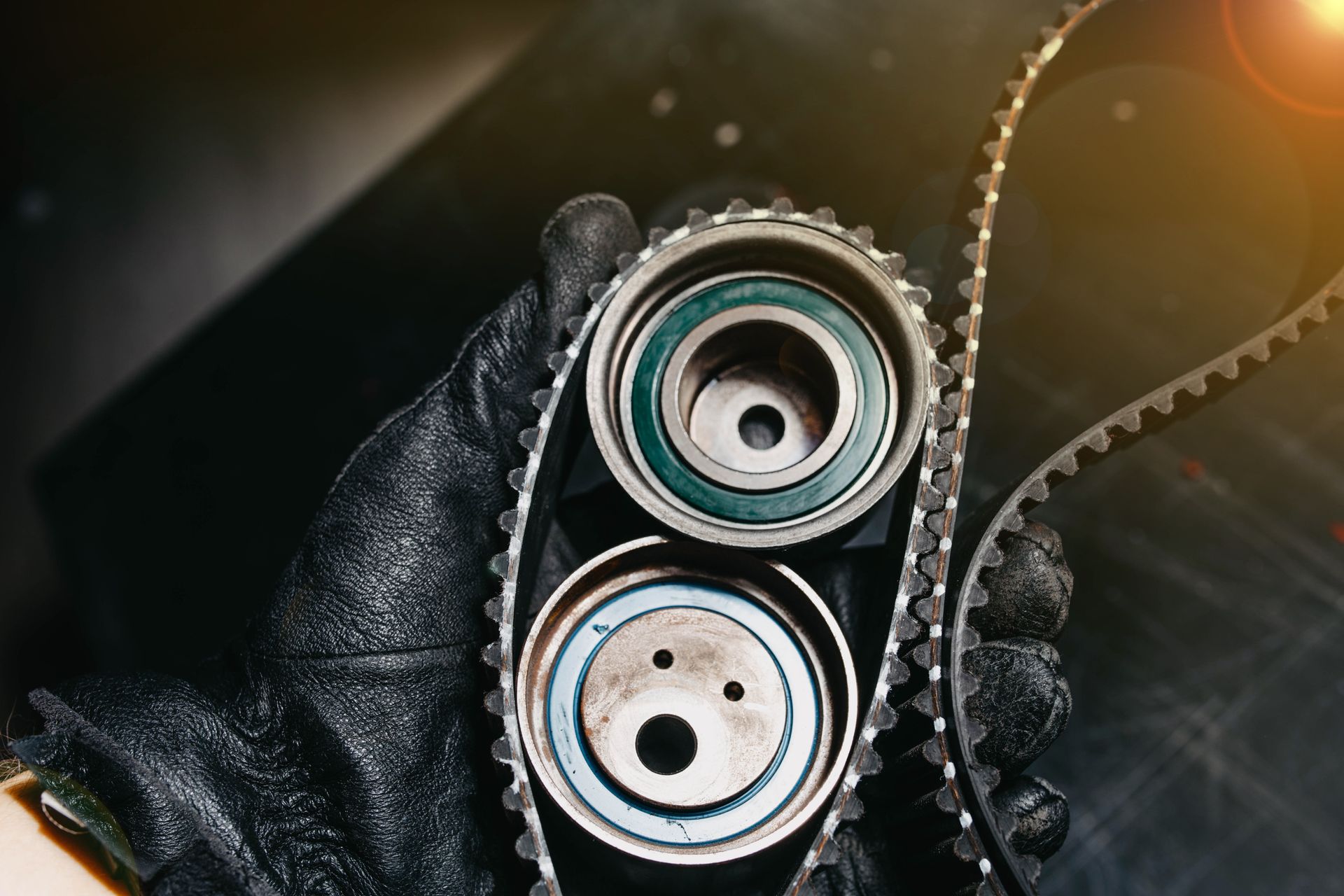
Cooling systems use rubber hoses, clamps, seals, plastic tanks, fittings, and sometimes belt-driven parts. Heat and pressure take a toll over time. Hoses can become soft, swollen, cracked, or brittle. Plastic parts can weaken and leak without much warning.
A hose that looks slightly worn today can split under pressure later. A loose clamp can seep only when the engine is hot. Regular maintenance gives a technician a chance to spot weak parts before a hose bursts or a small seep turns into a roadside problem.
Water Pump Or Thermostat Trouble Changes Coolant Flow
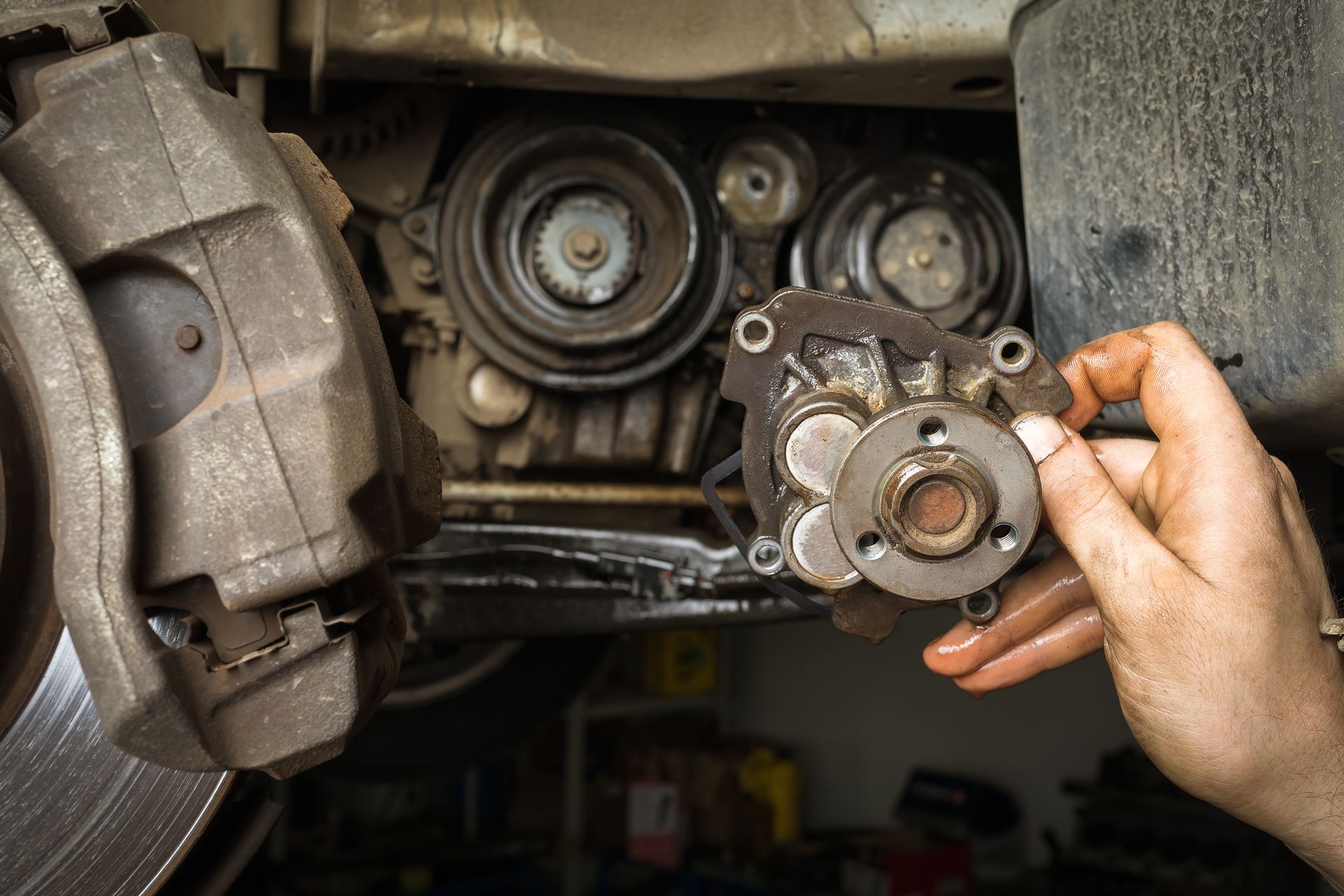
The water pump moves coolant through the engine, radiator, and heater core. If it starts failing, the engine may run hot, coolant may leak near the pump, or you may hear noise from the pump area. Some water pump problems develop slowly, while others appear suddenly.
The thermostat controls when coolant flows through the radiator. If it sticks closed, the engine can overheat. If it sticks open, the engine may take too long to warm up and run less efficiently. Both parts affect temperature control, so testing is important before replacing parts based only on symptoms.
Old Coolant Can Cause Problems Too
Coolant does not last forever. Over time, it can lose corrosion protection, collect contamination, or become less effective at protecting the system. Old coolant can contribute to internal corrosion, restricted passages, clogged heater cores, and damage to seals or gaskets.
Different vehicles use different coolant types, so mixing the wrong fluid can create more problems. A proper coolant service uses the correct fluid and checks the condition of the system at the same time. That is much better than adding whatever is nearby and hoping the system stays protected.
Get Cooling System Service In Omaha, NE, With Ally Auto Service
If your car is running hot, losing coolant, smelling sweet, leaking fluid, or showing heater problems, Ally Auto Service can help at our two convenient locations in Omaha, NE.