Every city has its own driving habits, road conditions, and weather patterns that wear on vehicles in different ways. In Omaha, drivers deal with temperature swings, potholes, winter road grime, summer heat, and plenty of stop-and-go traffic. That combination can bring certain auto repairs to the front more than others.
Most repairs do not start as major problems. They begin with small changes, like a noise, a warning light, a leak, a vibration, or a car that does not feel quite the same as it did last month.
1. Brake Repair
Brake wear is one of the most common reasons drivers schedule service. Pads wear down with every stop, rotors can develop uneven surfaces, and calipers or hardware can stop moving as freely as they should. City traffic, sudden stops, and winter driving can all add to the wear.
The first signs are usually noise, vibration, longer stopping distance, or a pedal that feels different than normal. A squeak might be minor, but grinding usually means the pads are worn too far. Our technicians check pad thickness, rotor condition, brake fluid, calipers, hoses, and hardware so the repair matches what the system actually needs.
2. Battery And Charging System Problems
Omaha weather can be tough on batteries. Heat speeds up internal battery wear, and cold weather exposes that weakness when the engine needs more power to start. A battery that seemed fine in the fall can struggle on the first cold morning of the season.
Slow cranking, clicking, dim lights, or repeat jump-starts all point to a system that needs testing. The battery may be the issue, but the alternator, cables, terminals, or a parasitic electrical draw can create the same complaint. Replacing the battery without checking the charging system can leave the driver stuck with the same problem again.
3. Suspension And Alignment Repairs
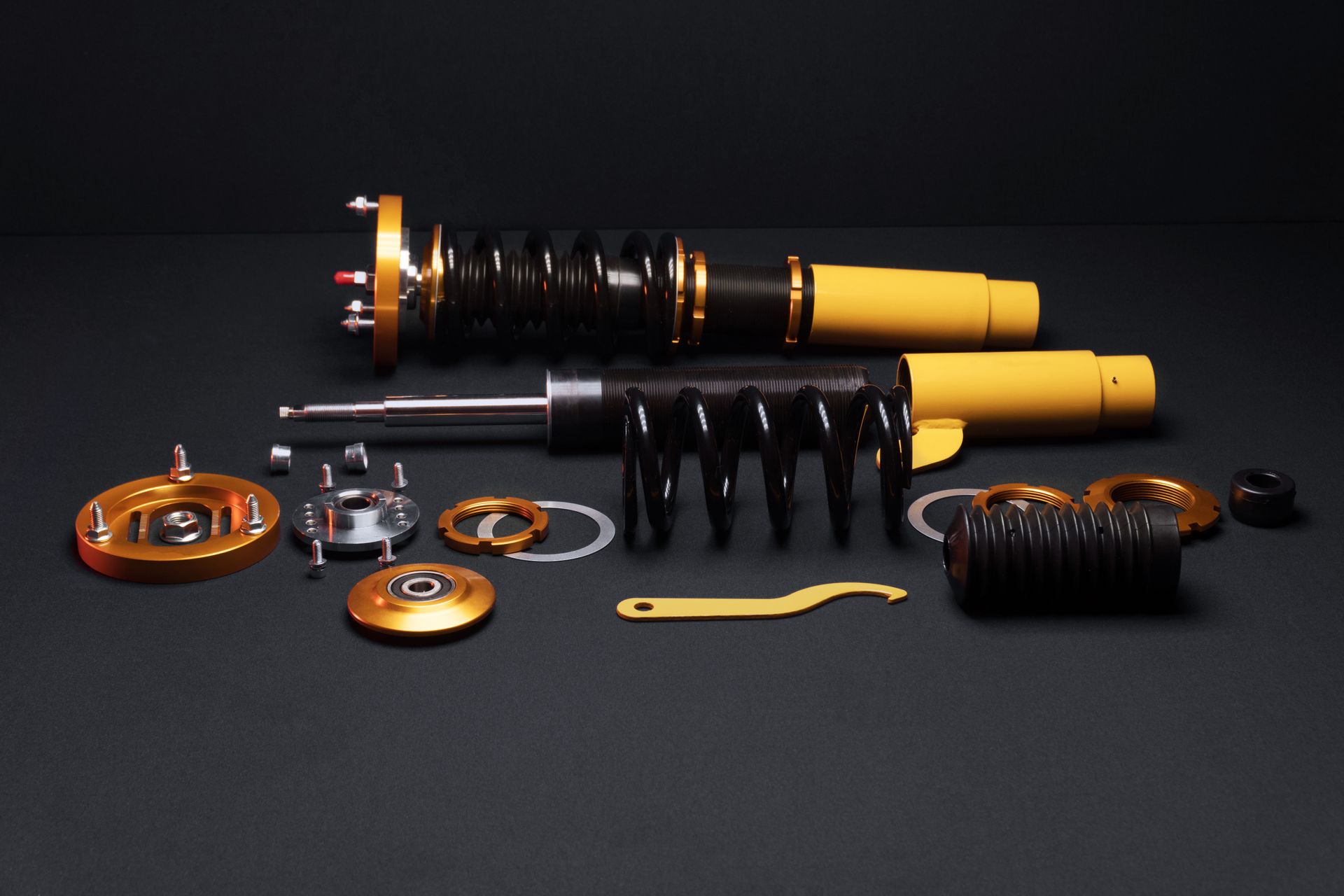
Potholes, rough roads, curbs, and winter damage can be hard on suspension and alignment. A vehicle does not have to hit something at high speed to knock the alignment out or stress steering parts. Over time, control arms, bushings, tie rods, ball joints, shocks, and struts can all wear down.
Drivers may notice pulling, clunking, uneven tire wear, vibration, or a steering wheel that no longer sits straight. These signs should not be ignored, as suspension and alignment problems can quickly ruin tires. One of our technicians can check the front end and rear suspension before treating the issue like a simple alignment.
4. Check Engine Light Diagnostics
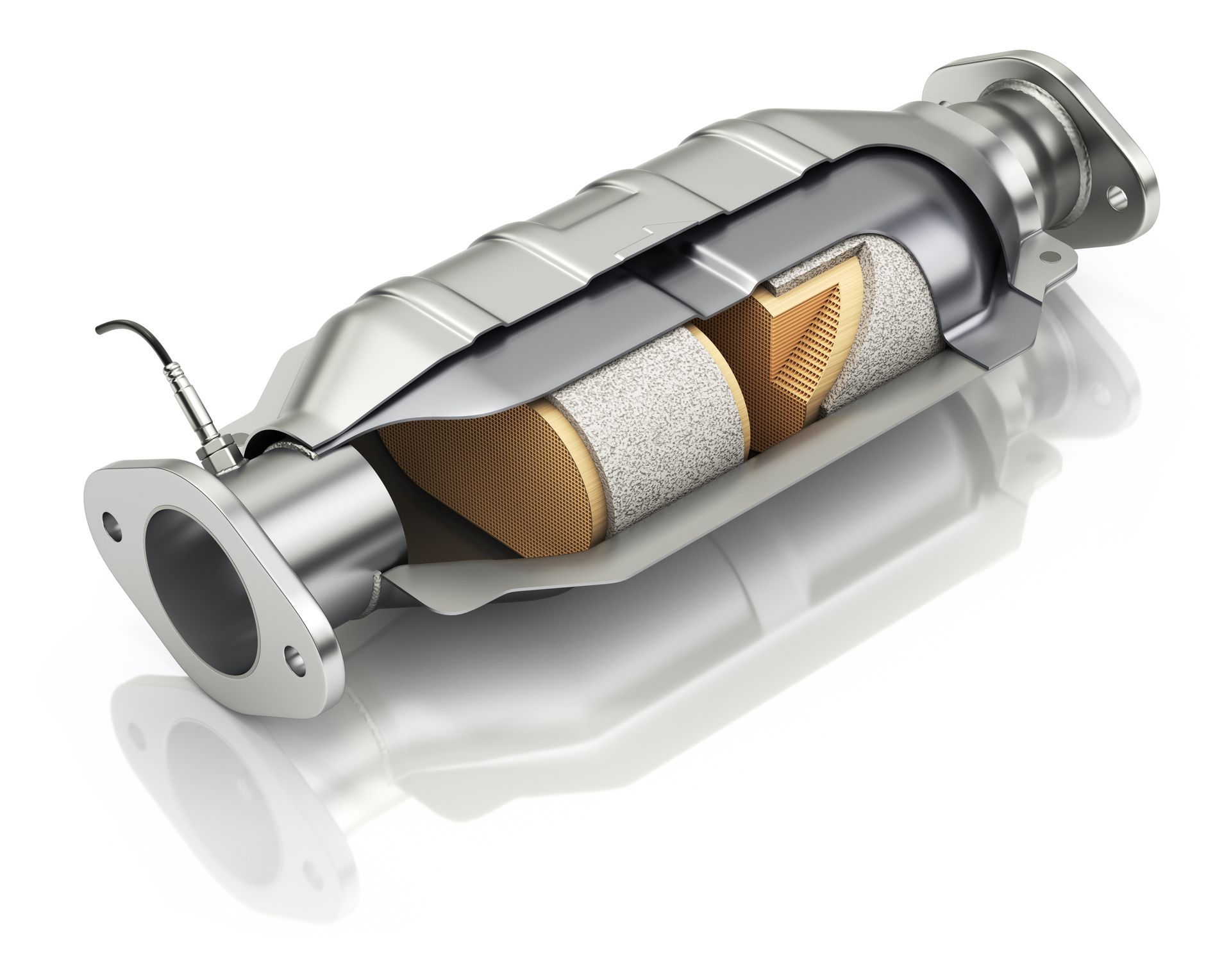
A check engine light can come from many different systems. It might be as simple as an EVAP leak or a gas cap issue, or it could point to spark plugs, ignition coils, oxygen sensors, catalytic converter efficiency, fuel control, or airflow problems. The car may still feel normal, which is why drivers often wait.
That light is still useful information. The vehicle’s computer has detected an out-of-range condition. A proper diagnostic process reads the codes, checks live data, looks at related parts, and confirms the cause before anything is replaced. A code gives direction, but it does not always name the failed part.
5. Tire Repair And Replacement
Tire problems are common because tires take the full hit from roads, weather, alignment issues, and daily driving. Nails, slow leaks, low tread, sidewall damage, uneven wear, and vibration are all reasons drivers need tire service. Cold weather can also drop tire pressure enough to trigger the TPMS light.
Tread depth and wear pattern both matter. A tire can still have some tread left and be wearing badly because of alignment, suspension, or inflation problems. Regular maintenance helps catch those patterns before the full set wears out early. Rotations, pressure checks, balancing, and alignment checks all help tires last longer and ride better.
Why These Repairs Show Up So Often
Most common auto repairs are connected to normal wear, driving conditions, and skipped service. Brake pads wear faster when pushed too far. Tires wear faster when alignment is off. Batteries fail sooner when heat, age, and short trips work against them. Check engine lights become more expensive when the first warning is ignored.
The good news is that many of these problems can be caught before they turn into larger repairs. A small brake noise, faint vibration, slow crank, or tire wear pattern is easier to handle than a vehicle that has already damaged more parts.
Get Auto Repair In Omaha, NE, With Ally Auto Service
If your car has started making noise, pulling, warning you with a dashboard light, or feeling different on the road, Ally Auto Service in Omaha, NE, can inspect it and recommend the right repair at one of our two convenient locations.
Bring it in before a common repair becomes a bigger interruption to your week.