Major engine damage puts you in a difficult position because there is rarely one simple answer. A repair that makes sense on a well-maintained vehicle with one damaged cylinder may not make sense on an engine with low oil pressure, worn bearings, poor compression, and heavy oil consumption.
Before we talk about replacing an engine, we want to know exactly how much damage exists. The decision should be based on the engine's condition, the rest of the vehicle, the cost of each repair option, and how much dependable life you expect afterward.
Widespread Internal Damage Can Make Repairs Add Up Quickly
Some engine failures stay concentrated in one area. A damaged cylinder head, failed valve, or certain gasket problems can sometimes be repaired without rebuilding the lower half of the engine.
The calculation changes when several internal components are worn or damaged at the same time. Worn piston rings, scored cylinder walls, damaged crankshaft bearings, poor oil pressure, and multiple low-compression cylinders can turn a targeted repair into a major overhaul. At that point, replacing the engine can provide a more predictable result than repairing one worn area after another.
Severe Overheating Can Damage More Than the Head Gasket
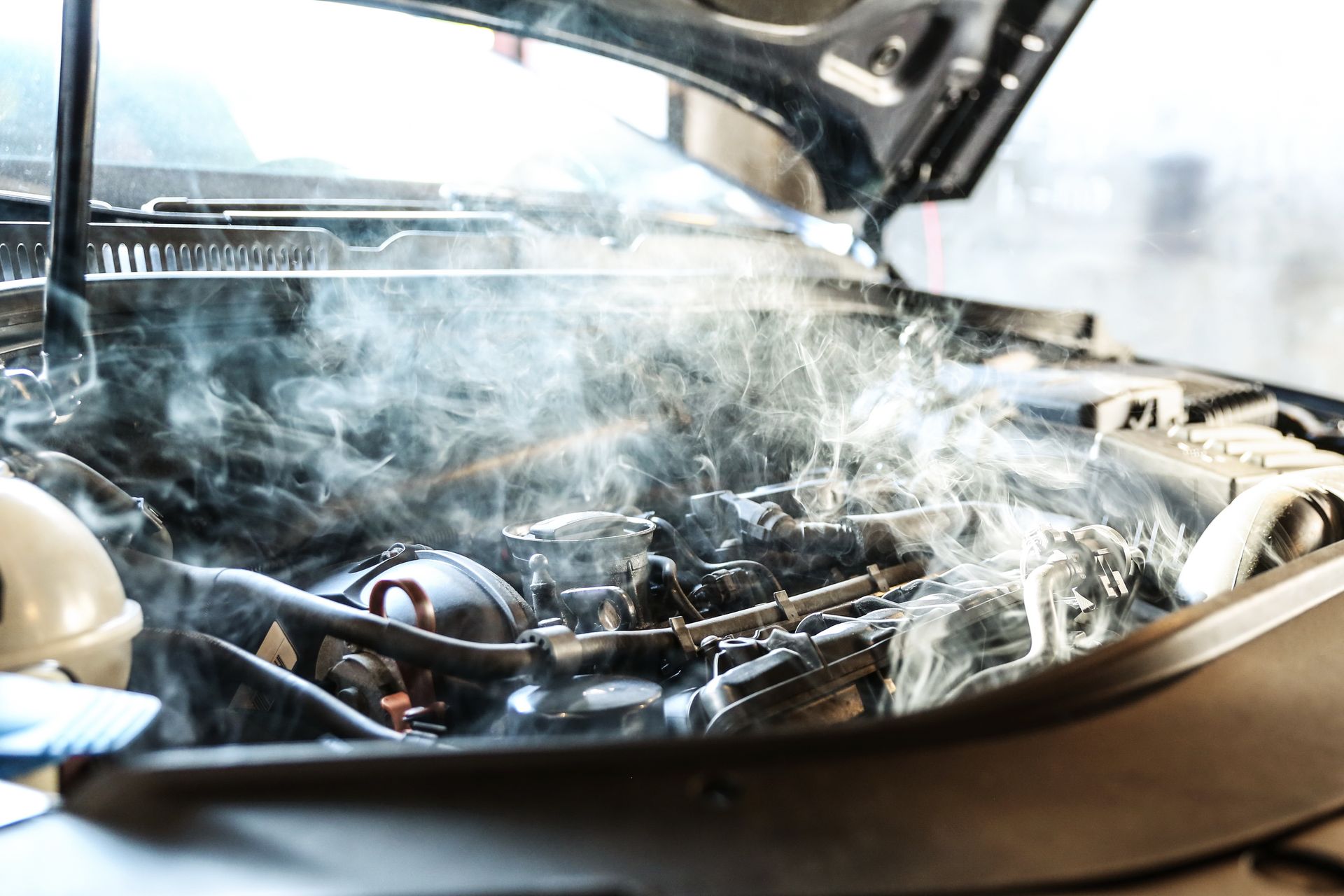
A badly overheated engine can suffer damage throughout the cylinder head and engine block. The head can warp, the head gasket can fail, and excessive heat can affect pistons, cylinder walls, bearings, and sealing surfaces.
At our shop, we do not assume an overheating repair ends with a new head gasket. An inspection can include compression testing, leak-down testing, checking for coolant in the oil, examining cylinder condition, and measuring sealing surfaces after disassembly. If severe heat damage affects several major parts, rebuilding the original engine can quickly approach or exceed the cost of replacement.
Running Without Oil Pressure Can Ruin an Engine Fast
Oil pressure keeps a protective film of lubricant between crankshaft journals, bearings, camshafts, and other moving surfaces. When an engine runs with little or no pressure, metal parts can begin damaging each other almost immediately.
A bearing failure may leave metal particles throughout the lubrication system, which means the damage is not always limited to the part making the noise. If the crankshaft, bearings, oil pump, camshafts, and other internal components are affected, replacing the engine may make more financial sense than trying to restore every damaged surface individually.
Compare Rebuild Cost With a Replacement Engine
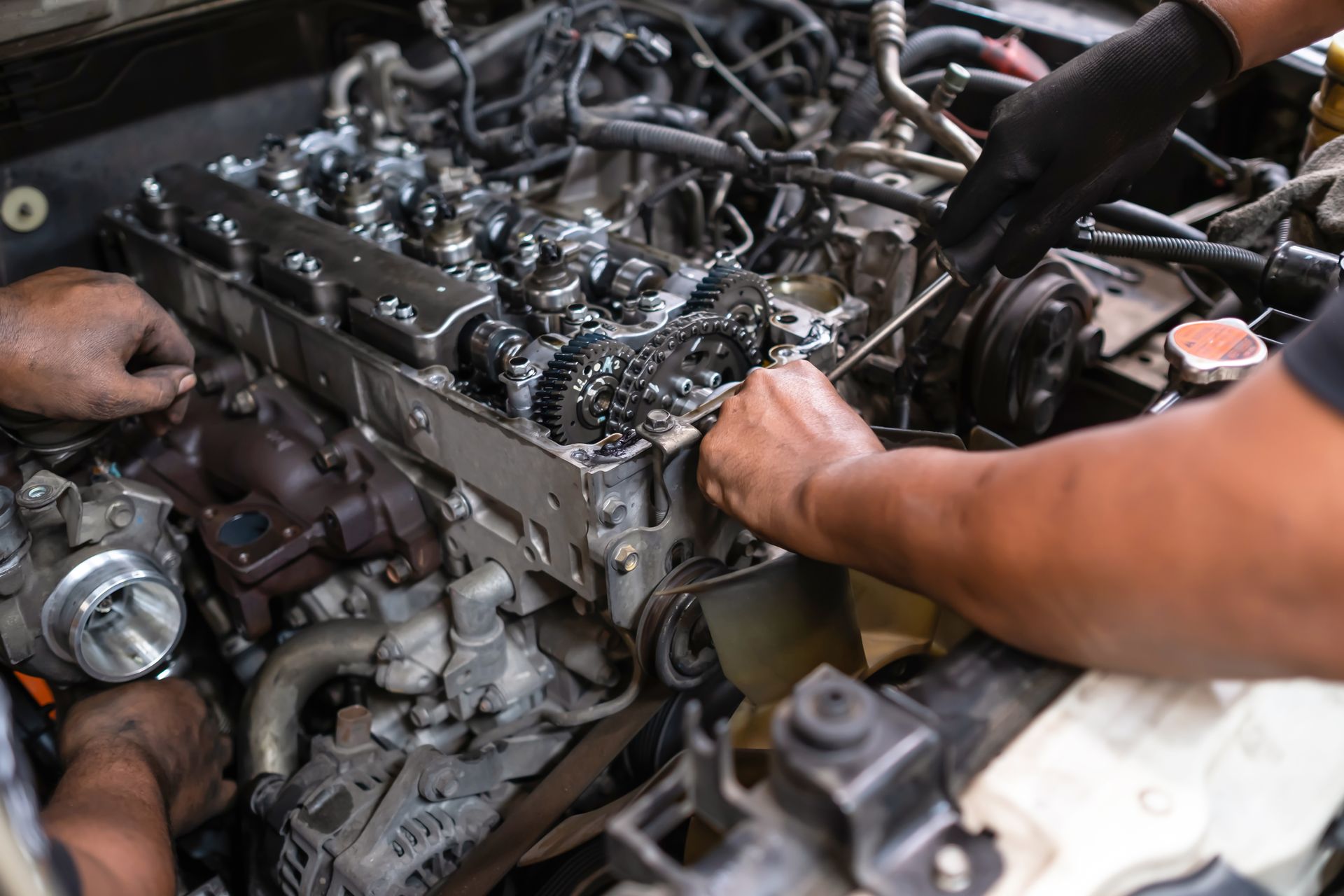
A proper engine rebuild can involve teardown, cleaning, machine work, new bearings, piston rings, gaskets, seals, timing components, and cylinder-head repairs. If the block or crankshaft also needs major machining, the parts and labor total can increase quickly.
A replacement engine may offer a clearer installed cost. Depending on the vehicle, options can include used or remanufactured units with different mileage and warranty terms. We compare the total cost, not just the price of the replacement engine, because installation also involves fluids, gaskets, hoses, seals, and other related parts that should be handled while access is easy.
The Rest of the Vehicle Should Influence the Decision
Even a good replacement engine may not be a smart investment if the vehicle has several other expensive problems. A slipping transmission, major rust, worn suspension, failing A/C, and extensive electrical problems can turn an engine replacement into only the first item on a long repair list.
A solid vehicle changes the picture. If the transmission is healthy, the body and chassis are in good condition, and regular maintenance has been kept up, replacing a damaged engine can be far cheaper than buying another vehicle of similar quality. We look at the entire car before helping a customer decide where to spend the money.
Used and Remanufactured Engines Carry Different Risks
A used engine can reduce upfront costs, especially when the vehicle's value doesn't justify a more expensive option. The tradeoff is uncertainty. You may know the mileage, but you may not know how consistently the previous owner changed the oil or whether the engine ever overheated.
A remanufactured engine generally costs more but typically comes with more extensive internal work and stronger warranty coverage. The best choice depends on your budget, the vehicle's value, availability, and how long you plan to keep the car. A cheaper engine is not really cheaper if poor condition leads to paying installation labor a second time.
Do Not Decide Until the Failure Has Been Confirmed
Symptoms that sound like a ruined engine can sometimes come from repairable problems. A severe misfire, timing problem, cylinder-head failure, or oil leak can make an engine run badly without requiring complete replacement.
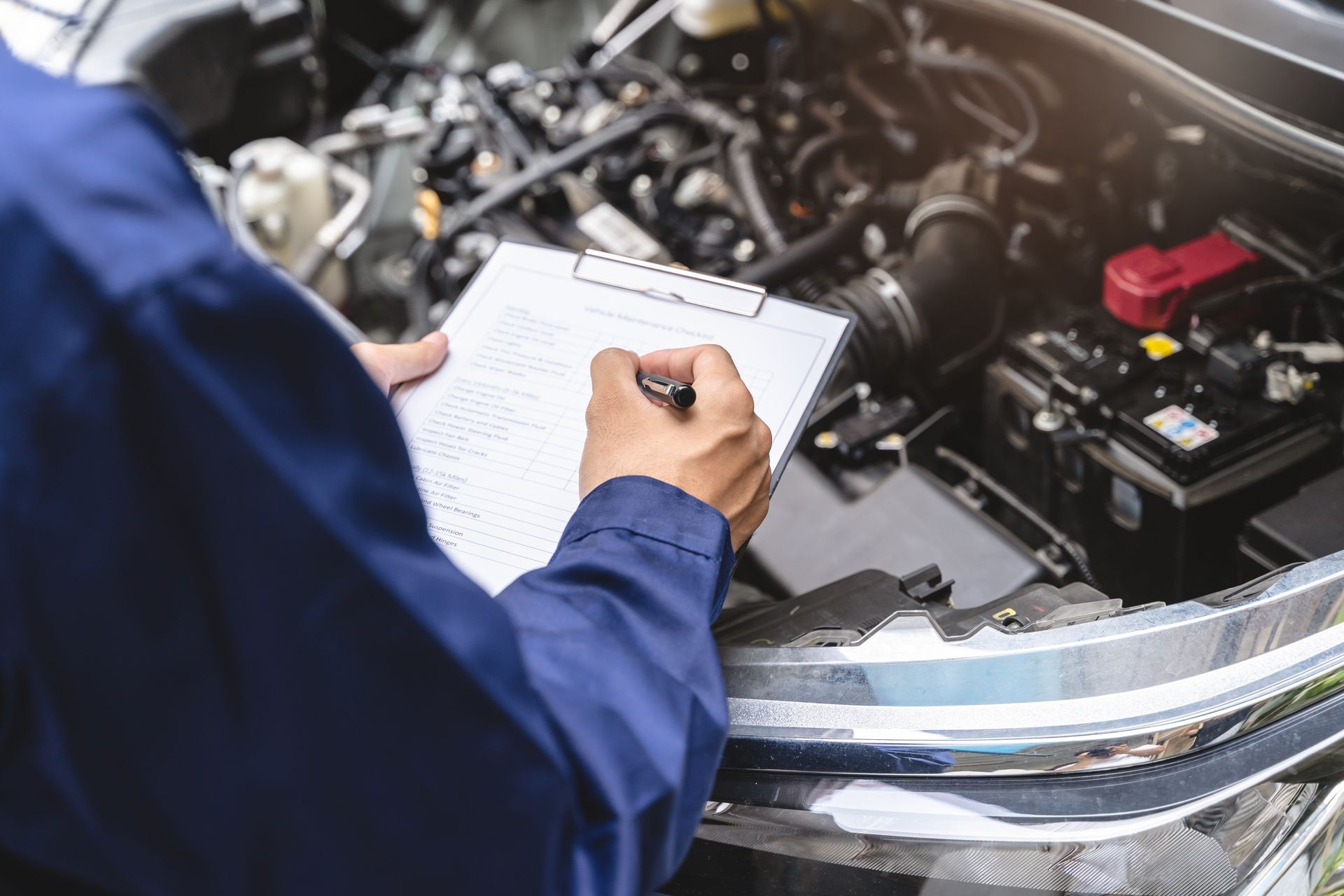
That is why diagnosis comes first. Compression and leak-down results, oil pressure, internal noise, cooling-system condition, and visible engine damage help us determine whether repair is still reasonable. Once we know what has actually failed, we can compare realistic options instead of making a major financial decision based on assumptions.
Get Engine Repair and Replacement Service In Omaha, NE, With Ally Auto Service
If your engine has suffered overheating, low oil pressure, low compression, bearing damage, or another serious internal failure, Ally Auto Service can evaluate the damage at either of its two convenient Omaha, NE locations and explain whether repair, rebuilding, or replacement makes the most financial sense.