Winter preparation is easier when your car starts well, and your schedule isn't interrupted by a frozen morning. A few checks before temperatures fall can reveal a weak battery, tired wipers, or coolant that no longer suits the conditions. You don't need to replace everything; you need to know what your vehicle is depending on.
In Omaha, the starting system, tires, fluids, and visibility equipment all face changing demands. Review them together with the maintenance schedule for your exact car. That gives you a practical plan for colder mornings, rather than a shopping list based only on the season.
Check Battery And Starting Performance Before Winter
Cold weather reduces a lead-acid battery's available power while an engine can require more effort to turn. A battery that handles mild-weather starts may have little reserve left for freezing conditions. Slow cranking, repeated jumps, or a long pause before the engine starts are reasons to arrange testing.
Include terminals, cables, grounds, starter operation, and charging performance where appropriate. Replacing the battery won't correct a damaged cable or an unwanted electrical drain. Tell the shop how far you normally drive and how long the car sits. Frequent short trips can leave the battery below full charge even without an obvious charging-system failure.
Review Engine Oil And Coolant For Cold Conditions
Use the oil viscosity and performance specification required for your engine. Cold starting isn't a reason to choose an arbitrary thinner oil or ignore the maintenance interval. Check the level as instructed, and investigate increasing top-offs or leaks rather than assuming fresh oil will correct every lubrication concern.
Coolant needs suitable freeze protection and corrosion-control properties. The right product and concentration depend on the vehicle, and color alone doesn't identify compatibility. An inspection can review service history, test appropriate properties, and check for leaks. A full reservoir doesn't prove that the coolant is suitable or that the system is free of a developing fault.
Make Tire Condition Part Of Winter Preparation
Pressure usually falls as the air inside a tire gets colder. Check all tires when cold and use the vehicle's placard pressures, including different front and rear values when specified. The maximum number molded into the sidewall is not your everyday inflation target, and the TPMS light isn't a substitute for regular checks.
Also evaluate tread, damage, age-related deterioration, and tire type. Winter tires are designed for colder-weather performance, while other categories have different capabilities. Matching the full set to the vehicle and conditions is more useful than focusing only on the driven wheels. All-wheel drive helps with acceleration, but it doesn't remove the need for suitable tires when braking.
Check Winter Defrosting And Windshield Washer Operation
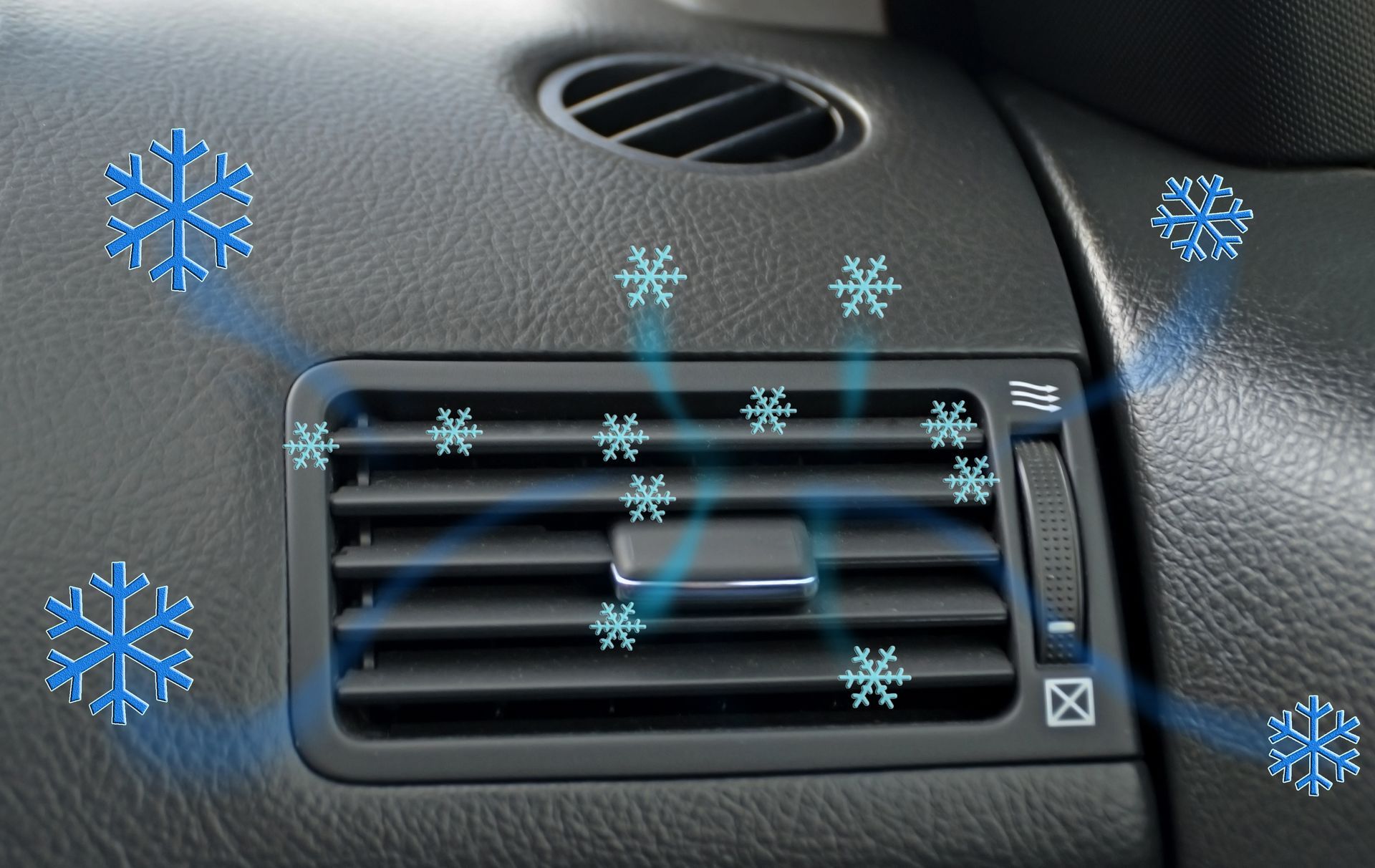
Run the climate-control settings before the weather becomes severe. The windshield and side windows should clear well enough for safe driving. Weak airflow, persistent fogging, or unusually delayed heat can indicate a cabin filter, air-distribution, cooling-system, or other concern that deserves checking.
Use washer fluid rated for the temperatures you expect, allowing room for weather colder than an average day. Summer fluid or heavily diluted fluid may freeze. Inspect wiper blades and confirm the arms operate normally. Clearing the windshield is much harder when the washer won't spray, or worn blades leave a wide smeared area in your view.
Inspect Brakes And Suspension Before Winter Driving
Braking or handling changes that feel minor on dry pavement can become more concerning when grip is limited. Report pulling, vibration, clunks, loose steering, or a different pedal feel. The inspection should look at actual condition rather than assume winter preparation requires replacing every wear component.
Safety-system warnings deserve attention too. ABS, traction control, and stability control rely on tires, brakes, sensors, and other equipment working as designed. These systems can't provide unlimited grip, but an unresolved fault can remove assistance you expect to have. Learn the meaning of your vehicle's warning symbols before a difficult morning puts them in front of you.
Use A Winter Checklist That Fits Your Car
Before the first sustained cold spell, review these items:
- Battery performance and secure electrical connections.
- The correct engine oil and suitable coolant condition.
- Cold tire pressures and the condition of all four tires.
- Defrosters, wipers, and temperature-rated washer fluid.
- Lights, brakes, and any unresolved warning messages.
This checklist is a starting point. The vehicle's mileage, service history, equipment, and current symptoms determine what to service. A hybrid or electric vehicle may also have model-specific battery-temperature and charging instructions that belong in the plan.
Change Winter Parking And Driving Habits Thoughtfully
Allow time to clear snow, ice, and fog before leaving. Start and warm the vehicle according to its manual, then drive gently while systems reach suitable operating conditions. Never run an engine in an enclosed garage, even if the goal is only to warm the cabin briefly.
If the car is used infrequently, review its storage and charging guidance. A compatible battery maintainer may help when there is a suitable, safe connection arrangement, but it won't repair a failing battery or excessive parked electrical use. Avoid improvised heating equipment and follow the instructions for any approved engine heater fitted to the vehicle.
Prepare For A Delay On An Omaha Winter Morning
Keep supplies appropriate to your journeys, including an ice scraper, warm clothing, a charged phone, and useful emergency items. Check the route and weather before longer trips. A well-maintained vehicle still needs a driver willing to postpone travel when road conditions are unsafe.
Keep maintenance records where you can find them. Service dates, fluids used, and previous repairs help the shop distinguish completed work from what's due now. If a cold-start or heating problem appears, note when it happens and what changes after driving. Those observations help make the next inspection more productive.
Get Winter Vehicle Service In Omaha, NE
Ally Auto Service serves Omaha, NE, from two convenient locations. We can review your vehicle's maintenance history and inspect the starting, tire, fluid, braking, and visibility concerns relevant to your winter driving. We'll explain the findings and help you plan the recommended work.
Contact us to schedule a winter vehicle inspection before colder mornings arrive.